

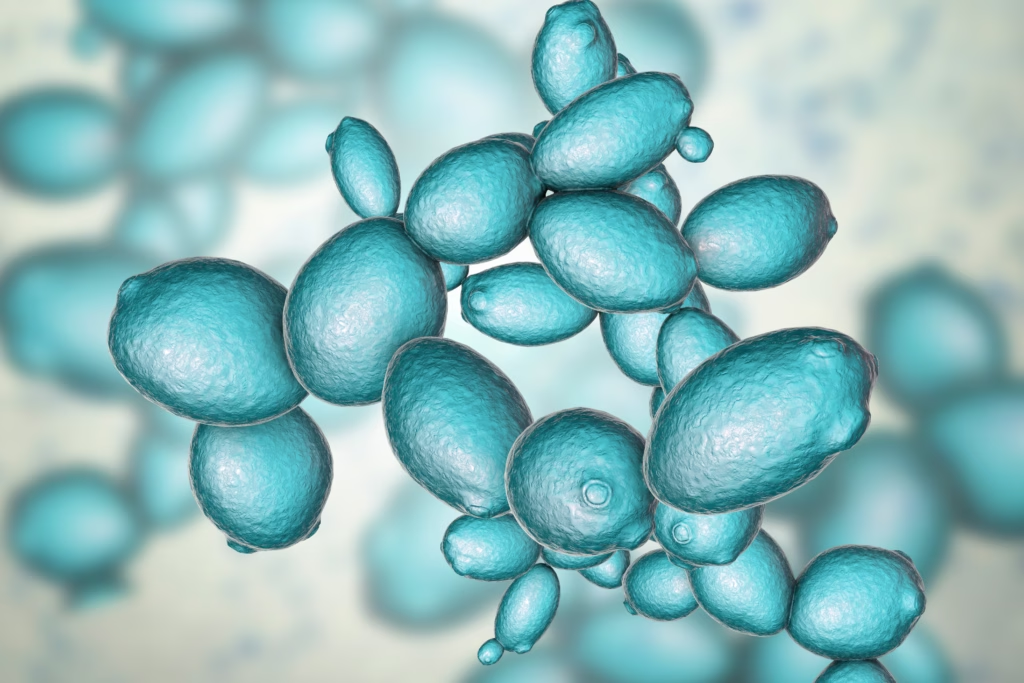
Non-Saccharomyces yeasts are everywhere. In the air, on our clothes, and increasingly in our beer. Non-Saccharomyces (non-Sacc) yeasts have long been considered contaminants in the beer world, but in recent years, experts have been revisiting this idea. Not only can some non-Sacc yeasts be used to limit fermentation and improve beer complexity, they can also help brewers add a distinctive touch to their beer.
Historically, Saccharomyces yeast has dominated the beer industry for good reason. The word Saccharomyces comes from the Greek σάκχαρον (sugar) and μύκης (fungus), meaning “sugar fungus”. Compared to non-Sacc varieties, Saccharomyces strains are more efficient at fermenting sugar for alcohol. However, with the increasing demand for diversification and no- and low-alcohol (NOLO) alternatives, non-Saccharomyces yeasts are proving their worth in the brewhouse.
With more non-Saccharomyces products appearing on the market, including our latest strain for NOLO beer, SafBrew™ LA-02, we’ve addressed some common questions around these non-conventional yeasts so you can brew with confidence. After all, when mastering the art of fermentation, it’s important to know the science!
What non-Saccharomyces yeasts can be used in brewing?
Yeast in the beer world can be split into two categories; those that belong to the Saccharomyces genus and those that don’t. The non-Sacc family is big and, in theory, they can all be used to brew beer. Certain genera, however, stand out for their fermentation power and promising sensory characteristics.
Our new dry yeast for NOLO beer, SafBrew™ LA-02 is a Torulaspora delbrueckii yeast strain that exhibits neutral fermentation characteristics. SafBrew™ LA-02 was developed to complement SafBrew™ LA-01 and diversify our NOLO solutions for brewers. Like SafBrew™ LA-01, SafBrew™ LA-02 is a maltose-negative strain. SafBrew™ LA-02, however, has lower attenuation and is POF negative. This means there is no risk of phenolic notes (such as smoky or clove-like flavors) in the final beer.
Non-Saccharomyces yeasts have been widely used in the wine industry for years. The metabolites they produce enhance the complexity and flavor of wine, resulting in a more enjoyable drinking experience. They can also be used for antimicrobial and antioxidant protection. In this field, we recently launched a Metschnikowia pulcherrima yeast for the bioprotection of grape musts. This product (SafŒno™ Bioprotect MP-72) enables winemakers to reduce their sulfur usage, a major challenge for the industry.
How do non-Saccharomyces yeasts differ from traditional Saccharomyces cerevisiae strains?
When used in brewing or winemaking, many non-Sacc yeasts impart distinct sensory characteristics. This is largely due to differences in the production of secondary metabolites, such as esters, phenols, and organic acids. Additionally, non-Sacc yeasts may have different temperature and pH preferences, as well as varying degrees of attenuation and flocculation compared to conventional strains. This means brewers need to fine-tune the fermentation process to achieve their desired sensory characteristics.
Known to be generally poor fermenters, many non-Saccharomyces yeasts exhibit lower alcohol tolerance and fermentation yields. Maltose-negative non-Saccharomyces yeasts in particular ferment far less sugar compared to Saccharomyces strains, making them an exciting option for brewers looking to produce no- or low-alcohol beers.
What are the key benefits and challenges of using non-Saccharomyces yeast in beer production?
A key benefit of using non-Sacc yeast (maltose-negative strains in particular), is their suitability for producing NOLO beers. These strains have a lower attenuation rate, resulting in a lower alcohol yield, which makes them a great choice for crafting no- or low-alcohol offerings. By selecting maltose-negative strains or strategically blending non-Sacc yeasts with conventional Saccharomyces strains, brewers can leverage each strain’s strengths, optimize fermentation efficiency, and craft no- or low-alcohol brews with unique taste and aromatic profiles.
Another benefit of non-Sacc yeast strains is their potential to create more complex and distinctive flavor profiles in beer. This is because they often produce a wider array of secondary metabolites (such as esters, phenols, and organic acids) that contribute to aroma and taste. This is exciting news for brewers looking to diversify their range and find new ways to stand out from the crowd.
Non-Saccharomyces yeasts, however, also present some new challenges. These strains may be more prone to producing off-flavors if not understood and managed properly. Additionally, the technical complexity of incorporating these yeasts into the brewing process, especially when blending yeasts, increases unpredictability and the risk of contamination. For this reason, they require careful monitoring and a thorough understanding of the recommended brewing guidelines.
What are the unique flavor and aromatic profiles that non-Saccharomyces yeasts can give to beer?
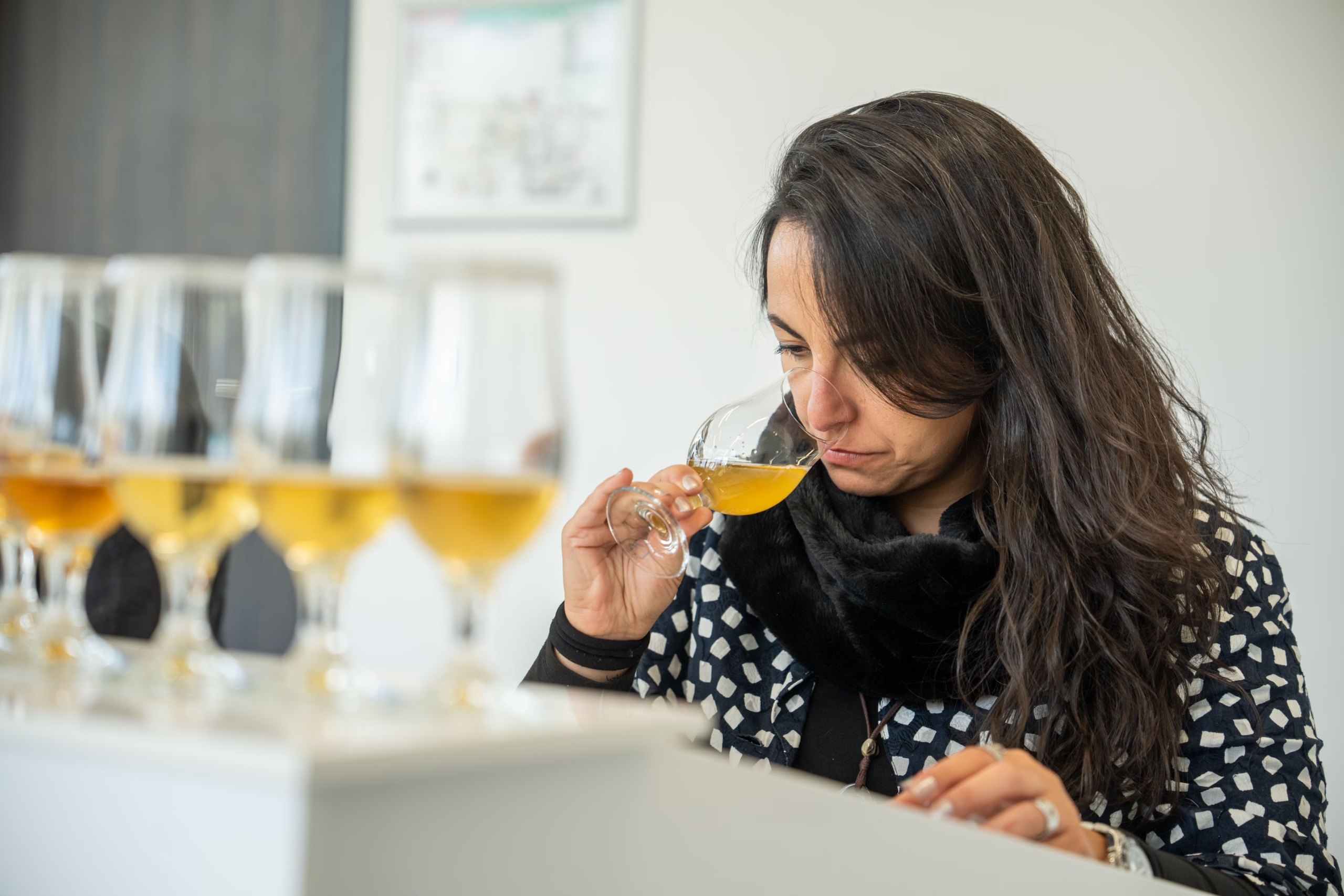
Given the large number of genera and species, it naturally depends on the yeast strain in question. The differentiation in aroma and flavor profiles among non-Sacc yeasts is driven by variations in ester production, fusel alcohol synthesis, and aldehyde reduction. Some Torulaspora delbrueckii strains, for example, have been shown to produce esters and terpenes that can contribute to more complex aroma profiles in beer by imparting delicate fruity, floral, and herbaceous notes.
In fact, we already have a non-Sacc yeast in our beer portfolio: SafBrew™ BR-8. This “wild” Brettanomyces yeast is characterized by the production of phenolic compounds that give many of the funkier flavor descriptors, such as horse blanket, leather, and barnyard aromatics. This yeast was specifically selected for secondary fermentation and is a reliable tool for producing beers that will develop complex “bretty” characteristics as they age: fruity, funky or wild notes.
As more non-Sacc yeasts hit the market, brewers will be able to experiment with strains that align with their desired goals and flavor profiles, enabling the production of more diverse and style-specific beers.
How can brewers successfully incorporate non-Saccharomyces yeast into their brewery?
The idea of incorporating non-Saccharomyces yeasts into your brewery may be a daunting prospect, but it needn’t be. In fact, cross-contamination from non-Sacc yeast poses a very limited risk to regular alcoholic beer production. Because these non-conventional yeasts have a longer lag phase, ferment more slowly, and are generally less tolerant to high levels of alcohol, they are easily outcompeted by Saccharomyces yeast during the fermentation process.
To brew successfully with non-Sacc yeast, adjustments to fermentation temperatures, pitching rates, and monitoring protocols are necessary to optimize the performance and sensory contributions of these strains. Like brewing NOLO beer with maltose-negative Saccharomyces yeast, it’s important to be aware of the risks and take the necessary precautions.
With proper sanitation, any risk of cross-contamination can be easily avoided. Separate equipment where necessary and use common sense when selecting what brewing equipment to use. Anything non-porous can be easily cleaned and reused, whereas wooden barrels and plastic hoses are notoriously difficult to sterilize.
Do non-Saccharomyces yeasts impact beer shelf life, stability, and quality over time?
The lower attenuation rate of non-Sacc yeasts can affect beer’s overall stability. These yeasts also generally produce higher levels of secondary metabolites, which can contribute to flavor changes and potential off-flavors during extended storage if not properly managed.
With the rise of NOLO beers, however, these challenges are not new to experienced brewers. Whether you brew with a maltose-negative Saccharomyces or non-Sacc yeast strain, residual sugars can lead to continued fermentation and carbonation during storage. For this reason, it’s imperative to follow brewing guidelines and use pasteurization or precise temperature control to ensure microbiological stability.
And what about food safety? Should I be worried?
Bringing a non-Saccharomyces yeast to the market requires thorough food safety assessments and adherence to regulatory responsibilities. Manufacturers must ensure that the yeast strain is safe for human consumption, with comprehensive testing for potential toxins, allergens, and pathogenic properties. Additionally, the yeast must be approved for use in food production and comply with local and national regulations governing the introduction of new ingredients or microorganisms in the brewing industry.
So, you can put your mind at ease. Every Fermentis product on the market has undergone thorough testing and is ready to make amazing beers!
Conclusion
The world of non-Saccharomyces yeast is moving fast, and the brewers paying attention now will be the ones setting the pace tomorrow. Whether you’re looking to craft a genuinely flavorful NOLO beer, add a wild and funky dimension to your range, or simply understand what these strains can do, the science is on your side.
Non-Sacc yeasts are no longer a curiosity. They’re a genuine brewing tool, and with the right knowledge and products, they’re well within reach for any brewer willing to explore them.
If you want to dig deeper into our non-Saccharomyces solutions, including SafBrew™ LA-02 and SafBrew™ BR-8, or discuss how they might fit into your brewing process, our fermentation specialists are here to help. Get in touch via our contact form or find your local distributor to get started. Cheers to that!