
 Français
 简体中文
简体中文 Español
 Italiano
 Português

What does the 2026 European heatwave mean for your harvest, and how can you adapt your winemaking processes?
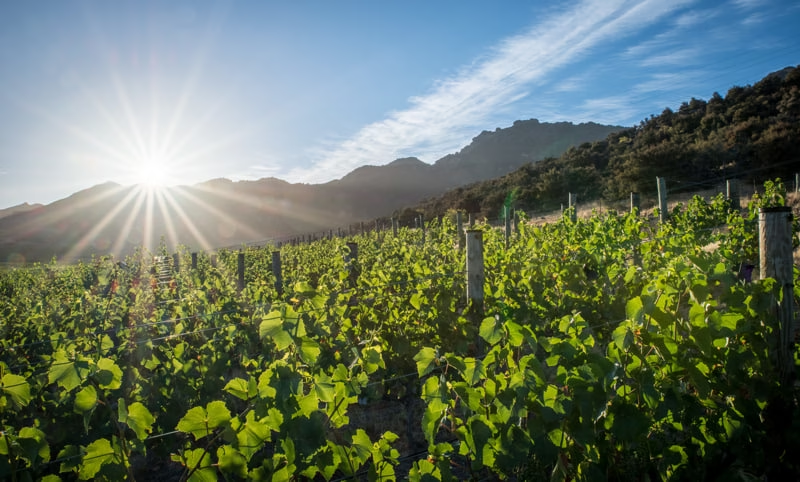
The short answer: this vintage will demand expert use of your winemaking toolkit. Considerably low malic acid levels (close to 1 g/L), elevated polyphenol loads from drought-stressed vines, unpredictable YAN, and the risk of sunburnt fruit are converging simultaneously across most of Southern and Central Europe. Each challenge has a targeted response. Understanding which to tackle first, and with what, is what separates a balanced wine from a difficult one.
By late June, temperatures across southern Europe were regularly exceeding 35°C, with nighttime lows staying above 28°C. Forbes described the conditions as “an electric blanket lying over southern Europe.” Vines had no way to escape it. Unusual warmth as early as April accelerated growth significantly, and by May, vineyards in southern France (Roussillon) and southern Italy were already visibly ahead of schedule. In some areas, picking began in July, weeks earlier than any historical norm.
Key takeaways for harvest 2026:
- Malic acid levels are critically low (close to 1 g/L vs. a typical 2-4 g/L), stripping natural freshness from the juice before fermentation has even begun
- Drought stress has reduced pulp-to-skin ratios, concentrating polyphenols and increasing the risk of bitter, astringent wines
- YAN levels are highly variable across vineyards: measure before you assume, because both extremes are present this vintage
- Sunburnt fruit introduces oxidative notes and sensory imbalance that compound the acidity and polyphenol challenges
- Nutrient choice depends on must turbidity, ABV, and sulfur compound risk – no single product fits every situation
- Each of these challenges has a targeted cellar response: the sections below walk through the Fermentis tools that address them, one by one
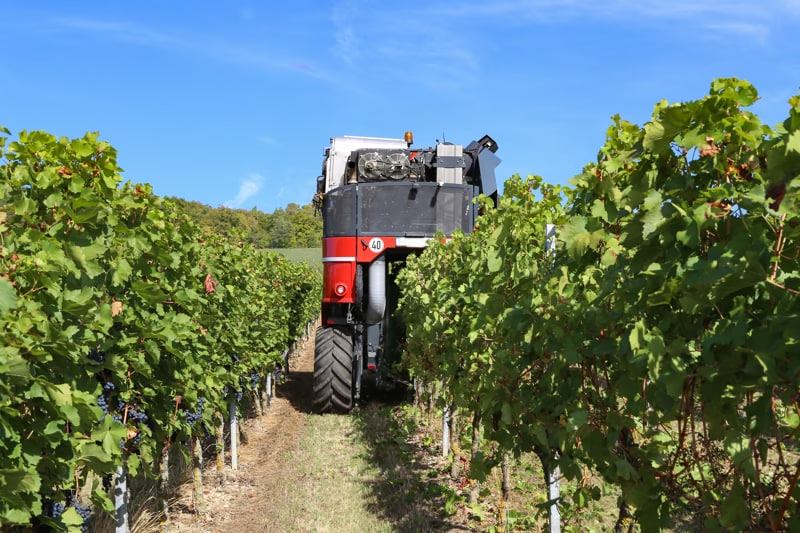
What Is the 2026 Heatwave Actually Doing to European Vineyards?
The agronomic picture is consistent across most of Southern and Central Europe, with some important regional nuances worth understanding before you decide on your cellar strategy.
Acidity collapse
Malic acid levels have dropped to record-low levels in many regions, reaching thresholds that represents near-total loss of natural freshness. Heat accelerates malic acid degradation in the berry, and this vintage has pushed that process to an extreme, also fragilizing grape skin integrity. The result is juices that taste flat, heavy, and structurally incomplete before fermentation has even begun.
Elevated polyphenols from drought stress
Water stress reduces berry size by limiting pulp development, while skin thickness remains relatively constant. This means the pulp-to-skin ratio drops significantly, concentrating phenolic compounds. Expect high levels of tannins and other polyphenolic compounds across the board, particularly in red varieties, but also relevant for skin-contact whites and rosés. The age of your vines will also play an important role as yields are particularly low in parcels with older vines.
Unpredictable YAN levels
Yeast assimilable nitrogen (YAN) is the variable that will most depend on what happened in each individual vineyard. Where foliar nitrogen applications were made before harvest, YAN levels may be adequate or even high. Where soil amendments were the primary strategy, drought conditions have likely prevented proper absorption, and YAN could be critically low. You will need to measure before you assume.
Sunburnt grapes and sensory imbalance
Winemakers who wait for optimal technical or phenolic maturity in drought conditions may encounter photosynthesis arrests and sunburnt fruit. This introduces oxidative notes, loss of aromatic freshness, and an overall sensory imbalance that compounds the acidity and polyphenol issues already present.
In the cellar, sunburnt fruit is best managed through a combination of approaches. Selecting SafŒno™ SH 12 helps preserve acidity and give a fresh varietal aromatic lift. Spring’Finer™ at the must stage reduces the phenolic load that the skins contribute disproportionately. SpringArom™ will help increase the reductive power of your musts and wines and protect aromas, and SpringCell™ Manno helps soften the harsh, unintegrated tannin character that is a hallmark of heat-damaged fruit. There is no single fix for sunburnt grapes, but the combined effect of these tools can address most of the sensory damage.
The bottom line: this vintage requires you to diagnose each lot individually. The challenges are widespread, but their intensity varies by region, variety, and vineyard management. What follows is a solution-by-solution breakdown organized around each key challenge.
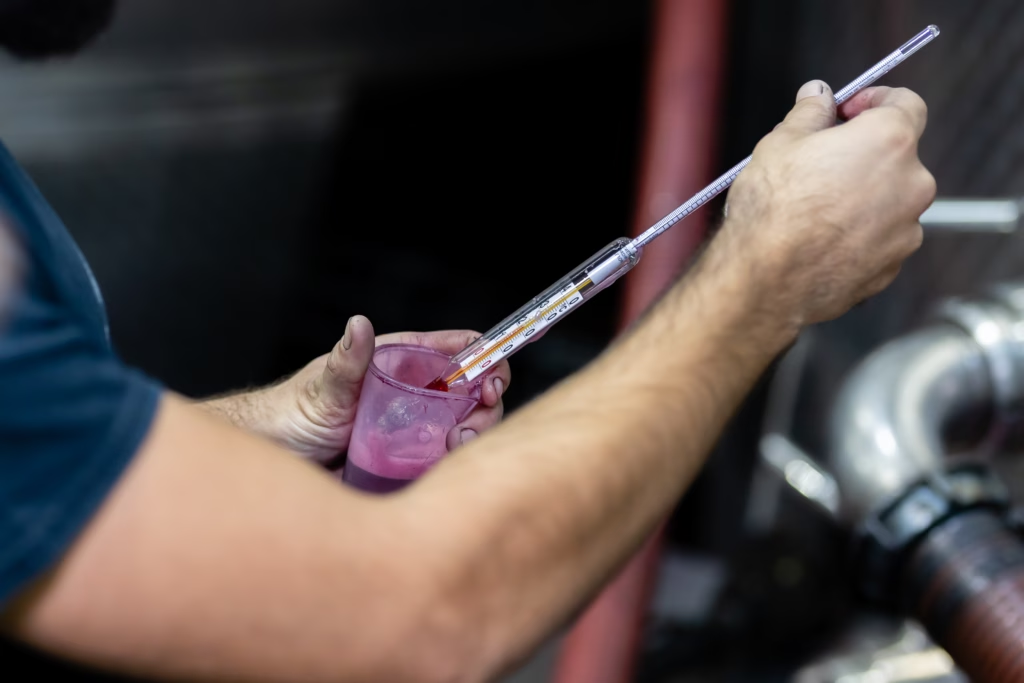
What Can You Do When Malic Acid Is Critically Low in 2026 Whites and Rosés?
When malic acid is this depleted, the winemaker’s first instinct is often acidification, which can be indispensable. An additional and elegant approach, is to protect and preserve what remains, through proper yeast strains selection. Specific strains actively contribute to a perception of freshness through their aromatic profile and low/no malic acid degradation.
Two SafŒno™ strains stand out for this vintage:
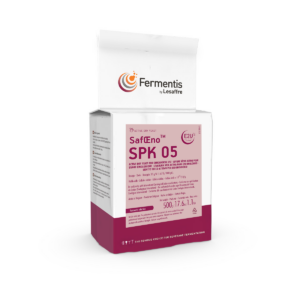
- SafŒno™ SPK 05 preserves malic acid during fermentation, helping maintain whatever residual freshness exists in the must (white). Beyond acidity, SafŒno™ SPK 05 enhances mouthfeel, which plays a key role in managing astringency perception in high-polyphenol musts. The result is a wine that feels more mineral and rounder.
- SafŒno™ SH 12 is equally effective for malic acid preservation and brings an additional dimension: excellent thiols revelation. This makes it a particularly strong choice for aromatic white and rosé varieties where freshness and aromatic lift are central to the wine’s identity. SafŒno™ SH 12 also performs well in fresh-style reds where you want to enhance primary fruit character.
Together, these two strains give you targeted options depending on your variety and style objective. SafŒno™ SPK 05 leans into texture, minerality and structure; SafŒno™ SH 12 leans into aromatic complexity and freshness. In a vintage where both are compromised, knowing which to prioritize for each lot matters.
How Do You Manage High Polyphenol Loads in a Drought-Stressed Vintage?
High polyphenol concentrations are one of the most visible consequences of drought stress in 2026. Left unmanaged, they translate directly into bitter, astringent wines that lack the balance consumers expect. The approach here is two-pronged: remove excess compounds before they integrate and coat the ones that remain.
Spring’Finer™: fining excess polyphenols at the source
Spring’Finer™ (native yeast proteins of higher molecular weight) is designed to selectively fine excess polyphenolic compounds from the must or wine. By reducing the overall polyphenol load early in the process, it gives you a cleaner base to work from and prevents the bitterness from compounding during aging.
SpringCell™ Manno and SpringCell™ Color G2: colloidal stabilisation and coating effect
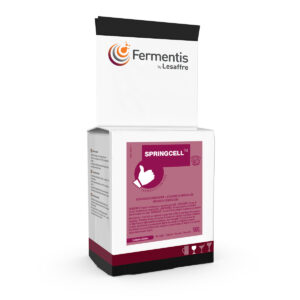
Where polyphenols cannot or should not be removed entirely, the goal shifts to softening their sensory impact. SpringCell™ Manno, rich in polysaccahrides (mannoproteins), coats harsh polyphenolic compounds and contributes to a perception of smoothness and roundness on the palate. SpringCell™ Color G2 serves the same coating function with an added benefit of functional peptides for a natural sweetness perception. Both products help stabilize colour, which can be at risk in case of heat stress and high-ABV conditions.
| Product | Primary Action | Best suited for |
| Spring’Finer™ | Fines excess polyphenols | All wine types |
| SpringCell™ Manno | Soften polyphenols + stabilizes color | All wine types |
| SpringCell™ Color G2 | Coats polyphenols + stabilizes color + increase sweetness perception | Red wines |
The outcome in all cases is a wine perceived as smoother, rounder, and less bitter, which in a vintage like 2026 is not a cosmetic improvement. It is the difference between a wine that works and one that doesn’t.

Which Nutrient Should You Use When YAN Is Off in a Heatwave Vintage?
Nitrogen management is where this vintage gets most nuanced. Because YAN levels will vary dramatically from one vineyard to the next, a one-size-fits-all approach to supplementation will either under-correct or over-correct. Before reaching for a nutrient, measure your must. Then choose based on what you need.
Fermentis offers three complementary nutrients for this purpose, each with distinct features:
SpringFerm™
SpringFerm™ is rich in smaller peptides and lipid compounds, but relatively low in assimilable free amino acids. Its key strengths are its high thiamine content and its richest-in-class magnesium levels, both important for yeast health and fermentation kinetics. It is particularly valuable in conditions of intensive clarification, where very low turbidity musts are depleted of the lipid compounds yeasts need to maintain membrane integrity. If you are working with highly clarified whites or high-ABV fermentations, SpringFerm™ should be part of your protocol.
SpringFerm™ Xtrem
SpringFerm™ Xtrem brings a high concentration of free amino acids, while remaining low in functional lipid compounds. Its standout feature is its vitamin content, particularly pantothenic acid (vitamin B5), which plays a direct role in reducing the production of negative sulfur compounds such as H2S. In high YAN-deficient musts and where reductive off-note risk is elevated, SpringFerm™ Xtrem is essential.
ViniLiquid™
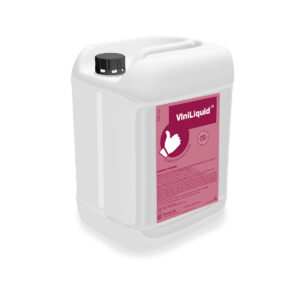
ViniLiquid™ is our most universal solution of the three. It combines a high concentration of lipid compounds with a high concentration of free amino acids, making it a comprehensive single-product solution for most YAN correction scenarios with the additional benefit of preserving a higher yeast viability to better handle the most challenging high-ABV fermentations.
The table below summarizes the key differentiators:
| Product | Lipid compounds | Free amino acids | Vitamins | Key mineral |
| SpringFerm™ | High | Low | Thiamine-rich | Magnesium |
| SpringFerm™ Xtrem | Low | High | Pantothenic acid-rich | – |
| ViniLiquid™ | High | High | – | – |

Combining nutrients for complex conditions
These products can also be used together. In high-ABV, low-turbidity musts, combining SpringFerm™ (for lipid compounds) and SpringFerm™ Xtrem (for amino acids and B5) covers both the structural and aromatic risk bases.
SpringCell™ also becomes indispensable in high-ABV, low-turbidity conditions, both as direct yeast support and as an additional source of lipid compounds. The higher the alcohol level, the more critical these additions become.
Navigating Multiple Challenges in the Cellar at Once
With multiple challenges converging simultaneously, it helps to have a clear sequence for your cellar decisions. Here is how we recommend approaching each case:
- Measure first. Analyze malic acid levels, total polyphenols, and YAN before committing to any supplementation protocol. The 2026 vintage is varied enough that assumptions will cost you.
- Address acidity at yeast selection. Choose SafŒno™ SPK 05 for texture-forward styles where mouthfeel and astringency management are priorities together with minerality. Choose SafŒno™ SH 12 for aromatic styles where freshness and thiol expression are important to the wine’s identity and quality.
- Plan polyphenol management early. If polyphenol levels are elevated, introduce Spring’Finer™ at the must stage before fermentation to reduce the load you are managing throughout. Follow with SpringCell™ Manno and/or SpringCell™ Color G2 post-fermentation to soften what remains.
- Match your nutrient to your must profile. Use the table in the previous section as your guide. If you have one complex situation (high ABV, low turbidity, sulfur risk), combine SpringFerm™ (or ViniLiquid™) with SpringFerm™ Xtrem rather than relying on a single product.
- Do not underestimate SpringCell™ in high-ABV conditions. As alcohol levels rise, yeast stress increases and the risk of stuck fermentation and reductive off-notes climbs. SpringCell™ can play a key role in these conditions.
The 2026 vintage is demanding, but it is also an opportunity to demonstrate the precision winemaking that separates a cellar that knows its tools from one that reacts to problems after they appear. The challenges are real, but our solutions and technical support are available to help you navigate them.
Talk to Our Winemaking Experts
Every vineyard and cellar’s situation in 2026 is unique. If you want to discuss your specific must analyses and build a tailored protocol, our fermentation specialists are available to help. Contact us through the Fermentis website to get personalized guidance.
If you are ready to source the products, find your local Fermentis distributor to get the right solutions into your cellar before harvest peaks.