Português

We all know roasting and brewing coffee beans develops the wonderful flavors and aromas we enjoy in our cup, but what if we told you that’s not the whole story?
The journey from farm to flat white is a complex process, where each step plays a crucial role in shaping the coffee’s final taste and aroma. People are often surprised to learn that coffee is actually a fermented product.
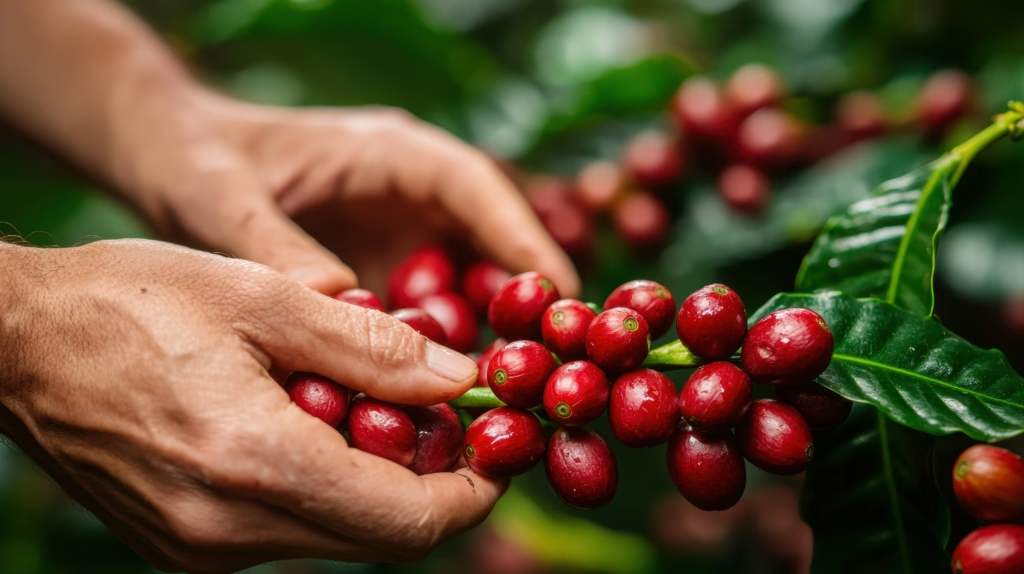
What is Coffee Fermentation?
A historically overlooked phenomenon, yeast and fermentation play an important role in shaping the sensory characteristics of coffee beans. Once coffee cherries have been harvested and sorted, they need to be processed to remove the pulp and mucilage surrounding the seed. This is where fermentation and microorganisms come into play.
Fermentation is a natural biochemical process carried out by microorganisms, during which carbohydrates or other organic compounds are consumed and transformed into acids, alcohol and other metabolites. Studies have shown that microbial metabolites produced during coffee cherry fermentation migrate into the coffee beans and modulate the flavor, aroma and sensory quality of the final product.
There are three conventional methods for fermenting coffee: the dry or “natural” method, the wet method (also known as washed processing), and the semi-dry “honey” method. Each method facilitates the development of a distinct microbial community, especially yeasts and bacteria, whose metabolism contributes to the organoleptic construction of the coffee.
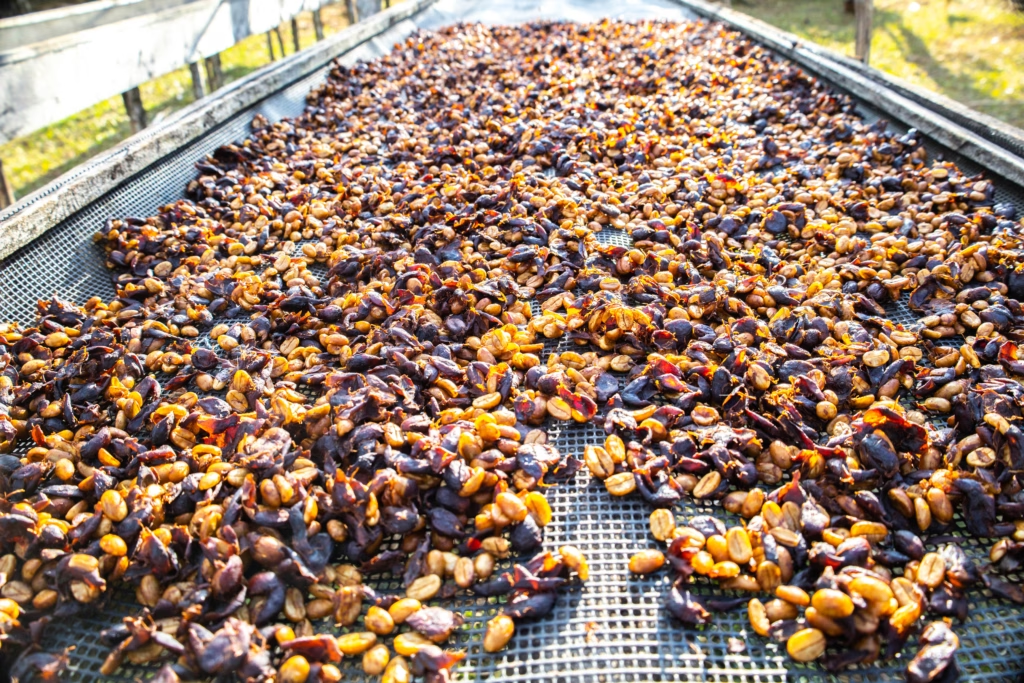
The Benefits of Controlled Coffee Fermentation
Traditionally, coffee cherry fermentation was a natural process, shaped by the microorganisms in the local environment. A key challenge producers face when using this spontaneous method is maintaining quality and consistency from one batch to the next.
By selecting and managing the yeast used during fermentation, producers can safeguard quality by reducing the risk of spoilage and defects, ensure consistency from batch to batch, and also enhance the flavors and aromas of their coffee. It’s a delicate process, but one that can truly set unroasted green coffee beans apart in the competitive global market.
The yeast used during controlled fermentation has a significant impact on the final flavor profile of your coffee. Different yeast strains produce unique metabolic byproducts, which can result in distinct aroma and taste characteristics. For example, some yeast strains may enhance the fruity or floral notes, while others can contribute to the development of chocolatey or nutty flavors. Innovative producers are now using specially selected yeasts, like those in our SafCoffee™ range, to explore a whole new world of exciting possibilities.
Controlled fermentation also helps to normalize the duration of the fermentation process and reduce the risk of unpleasant flavors caused by undesirable microorganisms.

The Rise of Specialty Coffee
While mass-produced coffee still dominates the market, there is a noticeable trend towards specialty coffee, a movement that values quality, traceability and sustainability. These coffees are often accompanied by detailed information on variety, plantation, processing method and roasting profile. In some regions, such as North America, consumption of specialty coffees now exceeds traditional coffee consumption.
For coffee enthusiasts, the unique flavors and aromas that result from this controlled fermentation process can be a true delight. Today’s consumers are prepared to pay a premium for unique flavours and ethical sourcing. This trend has transformed coffee into a terroir product, like wine, where factors such as soil, altitude and fermentation contribute to the complexity of its flavor.
Industry experts are quickly catching on to the exciting potential of controlled fermentation and the important role of yeast in guiding and enhancing coffee’s sensory characteristics. It’s a testament to the dedication, expertise, and commitment to quality that goes into producing truly exceptional coffee.
Discover SafCoffee™ – our Innovative Coffee Cherry Fermentation Solution
As the specialty coffee industry continues to evolve, the importance of understanding and harnessing the power of fermentation and yeast will only grow. By embracing this knowledge, coffee producers can unlock the full potential of their beans and deliver a truly remarkable coffee experience to consumers around the world.
To learn more about how SafCoffee™ can elevate your coffee production, please contact us or explore our range of amazing coffee fermentation solutions.